Further reading — Module 02
Designed to keep you playing
A casino floor is not a room. It is a piece of behavioural engineering — a carefully tuned environment where every surface, every light, every small courtesy is chosen to keep the cards turning and the wheel spinning for as long as possible.
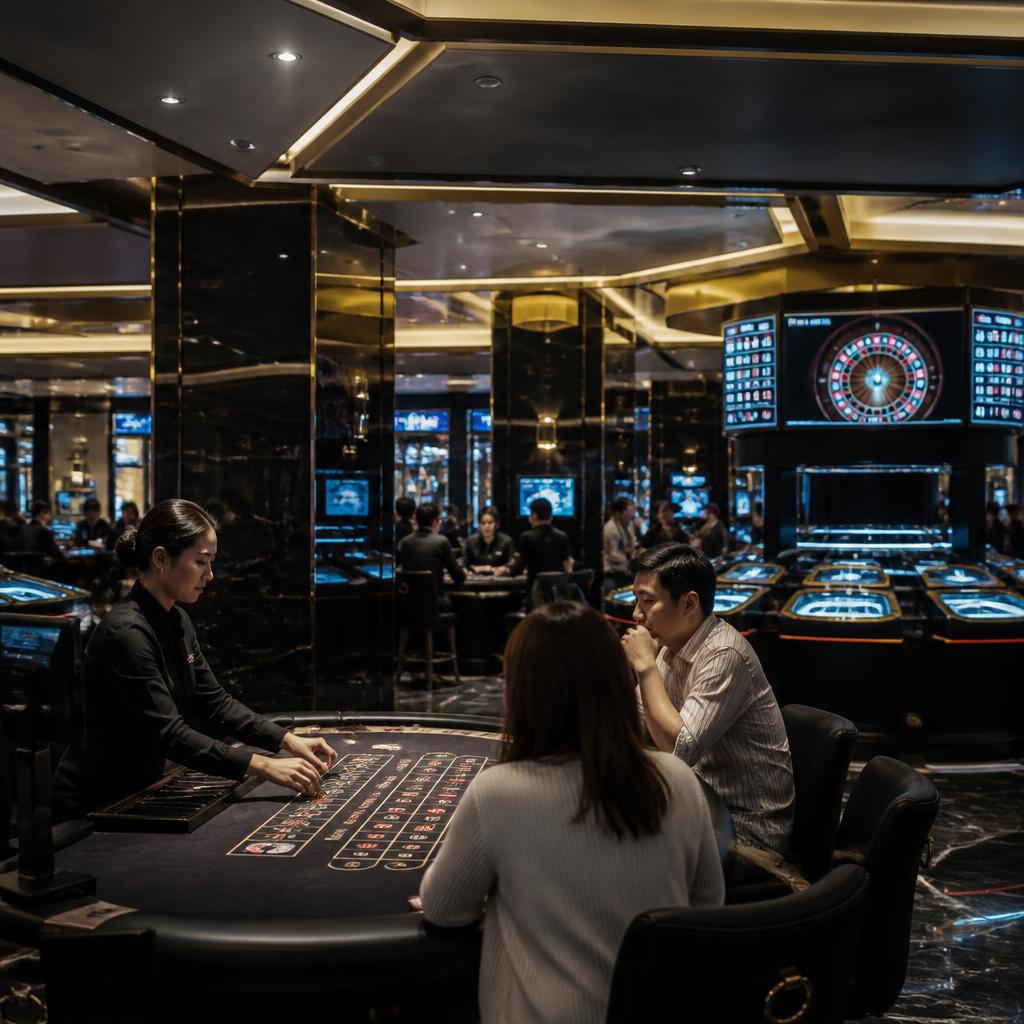
The mathematics of the house edge only works if players stay at the table. A single spin costs the casino nothing on average; a thousand spins from the same player is where the edge becomes revenue. Everything about the environment is designed to stretch a short visit into a long one, and a long visit into an even longer one.
No clocks, no windows, no exits in view
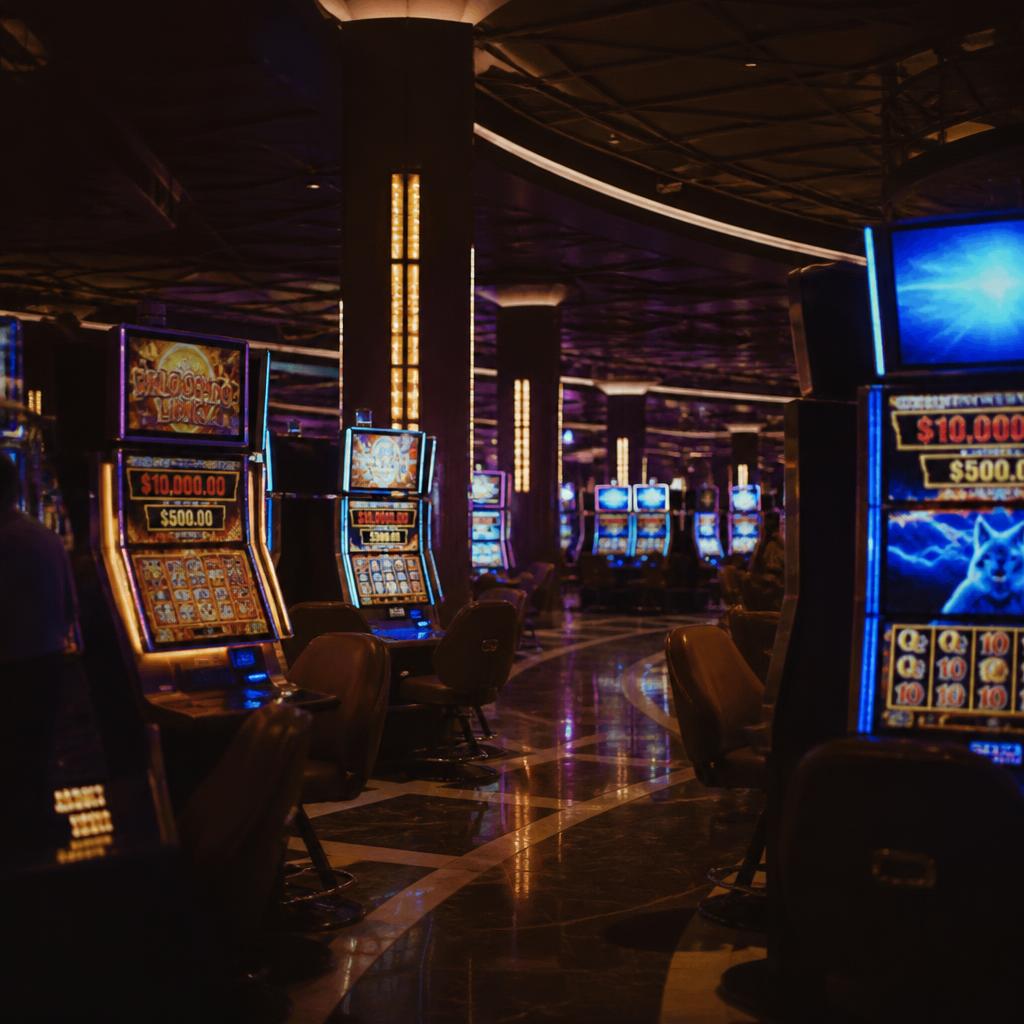
The two most common cues that trigger a decision to leave — the time of day and the passage of hours — are simply removed. There are no clocks on the walls. There are no windows onto the outside world. Lighting stays at a constant warm level whether it is 2pm or 4am. Without those anchors, an hour and four hours feel indistinguishable, and the decision to stand up and cash out never quite arrives on its own.
Floor layouts reinforce this. Aisles curve rather than run straight, so exits are rarely in direct line of sight. The path from the door to any table is deliberately indirect, routing new arrivals past active games. Once seated, the player's visual field is filled with felt, chips, and the next spin — not with the way out.
Previous-number boards and the illusion of a pattern
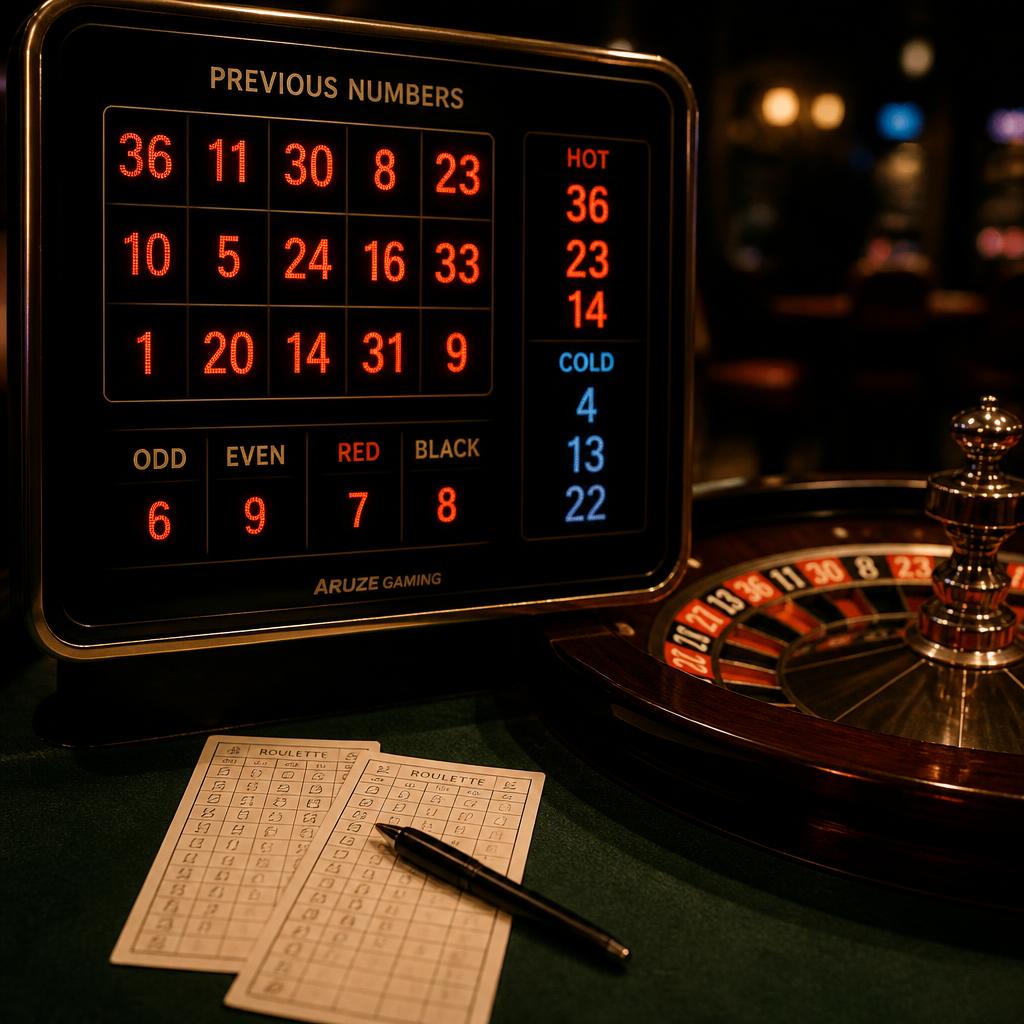
The glowing column beside a roulette wheel showing the last fifteen or twenty results serves no mathematical purpose. Each spin is independent; the wheel has no memory of what came before. Yet the display is there because it works — it feeds the very cognitive bias the previous module described. Seeing a run of reds, a cluster of high numbers, or a "missing" section of the wheel invites the player to believe a pattern is forming and that acting on it might tip the odds.
The same purpose sits behind the small printed cards and pens handed out at the table. Recording each number, drawing trend lines, colouring in "hot" and "cold" pockets — none of it changes a single probability. It does, however, keep the player analytically engaged, emotionally invested, and reliably in the chair for another hour of spins.
Free drinks, free food, complimentary rooms
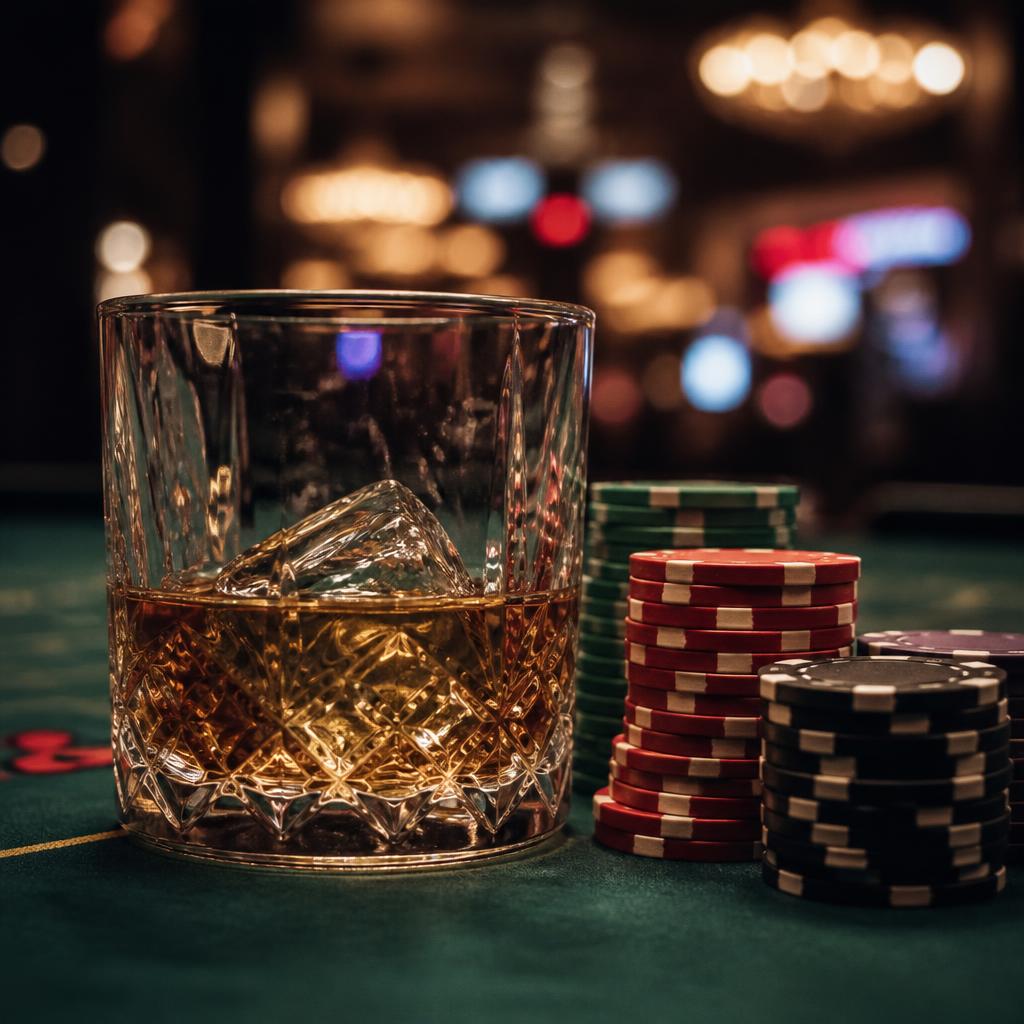
Comps are not generosity. They are a subsidy on time. A drink brought to the table removes the reason to walk to a bar. A plate of food removes the reason to leave for a restaurant. A free room removes the reason to travel home. Every friction that would ordinarily end a session is smoothed away, and the cost of doing so is a fraction of the expected value the extended session will produce.
Alcohol adds a second layer. Small, steady quantities dull the internal check that says "that is enough for tonight" and slightly widen the range of bet sizes a player will consider reasonable. The house edge does not need this to work — but the longer, looser session it enables is worth far more than the price of the drink.
Late hours, warm light, soft sound
Peak activity on a casino floor sits deep into the night, when tiredness weakens judgement and when the decisions a rested player would make in daylight — to stop, to book losses, to go home — are simply harder to reach. Lighting is warm rather than bright. Carpet, upholstery and ceiling treatments absorb sound so that no single loss is loud but every jackpot bell carries. The soundscape is engineered to be a steady murmur of small wins.
Online casinos rebuild the same environment in software. No clock in the corner of the game window. Auto-spin so the next round arrives without a decision. Push notifications timed for late evenings. Balance shown in coins rather than currency to soften the felt cost. The medium changes; the design intent does not.
Share this page
Further reading in Module 02