Near-miss effect in gambling ·
Further reading — Module 02
Almost Winning Changes the Brain
Two cherries on the payline and a third one hovering just above it. Nothing was won. Yet the brain reacts as though something almost was — and that reaction is something slot-machine design can exploit.
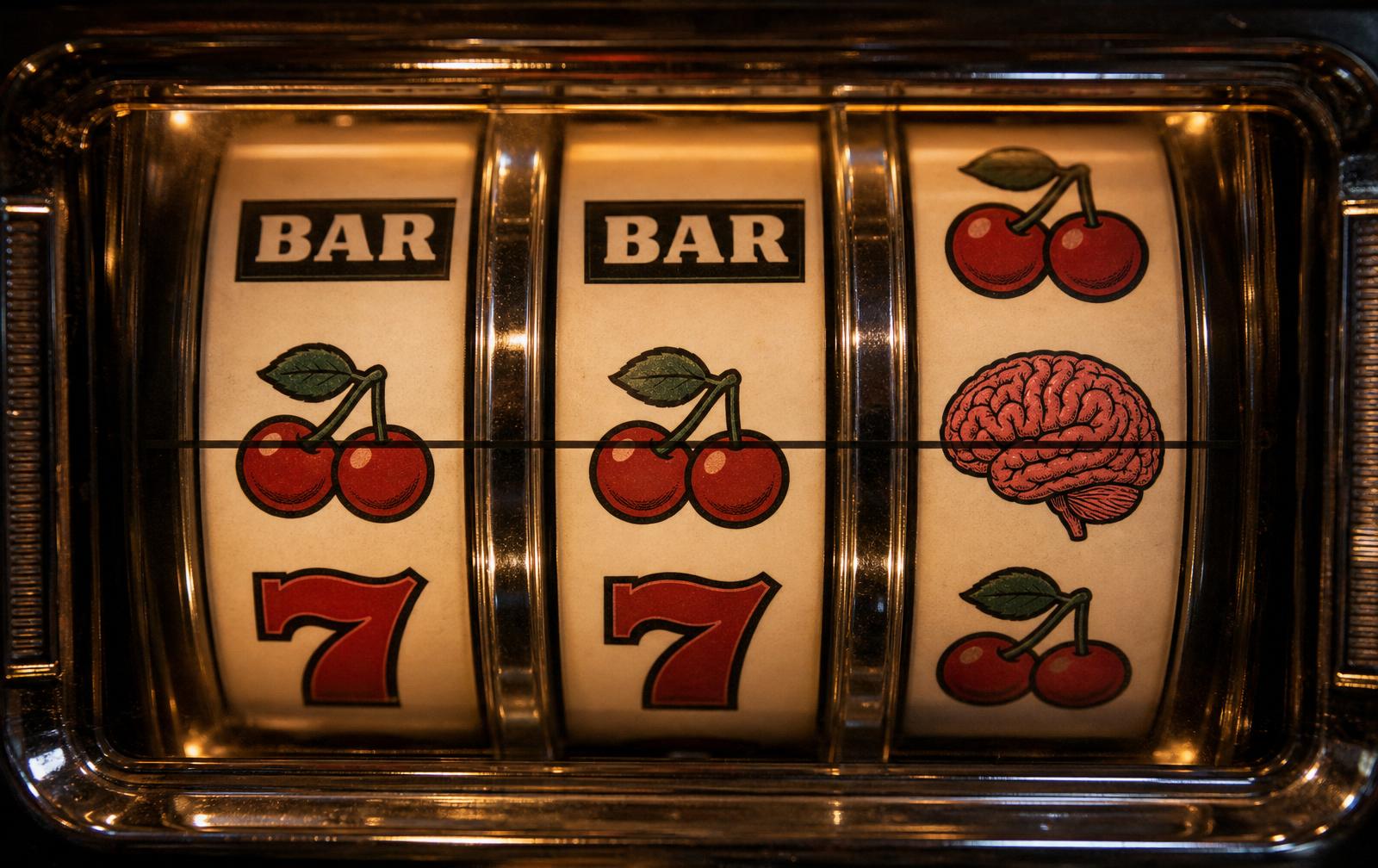
A near miss is a loss that looks like an almost-win. The two matching symbols line up. The third one stops a fraction of a turn short. In pure mathematical terms it is identical to any other losing spin — the payout is zero. In neurological terms it is something else entirely.
What the brain does with an almost-win
Brain-imaging studies of gamblers show that near misses can activate regions involved in reward processing, including the striatum. Despite being losses, they can increase the motivation to continue playing.
A near miss can create a powerful sense of having come close. But mathematically, you were no closer to winning the next spin. Every spin is independent, the outcome fixed by a random number generator the instant the button is pressed. The near miss is not evidence of progress. It tells you nothing about what the next spin will produce.

Why they may not be accidents
Modern slot reels — physical or virtual — can be configured so that symbols do not all have an equal chance of appearing. This can make apparent near misses occur more frequently than an equally distributed reel would produce. Near-miss design has attracted regulatory attention because of its potential to make a losing outcome feel unusually close to a win.
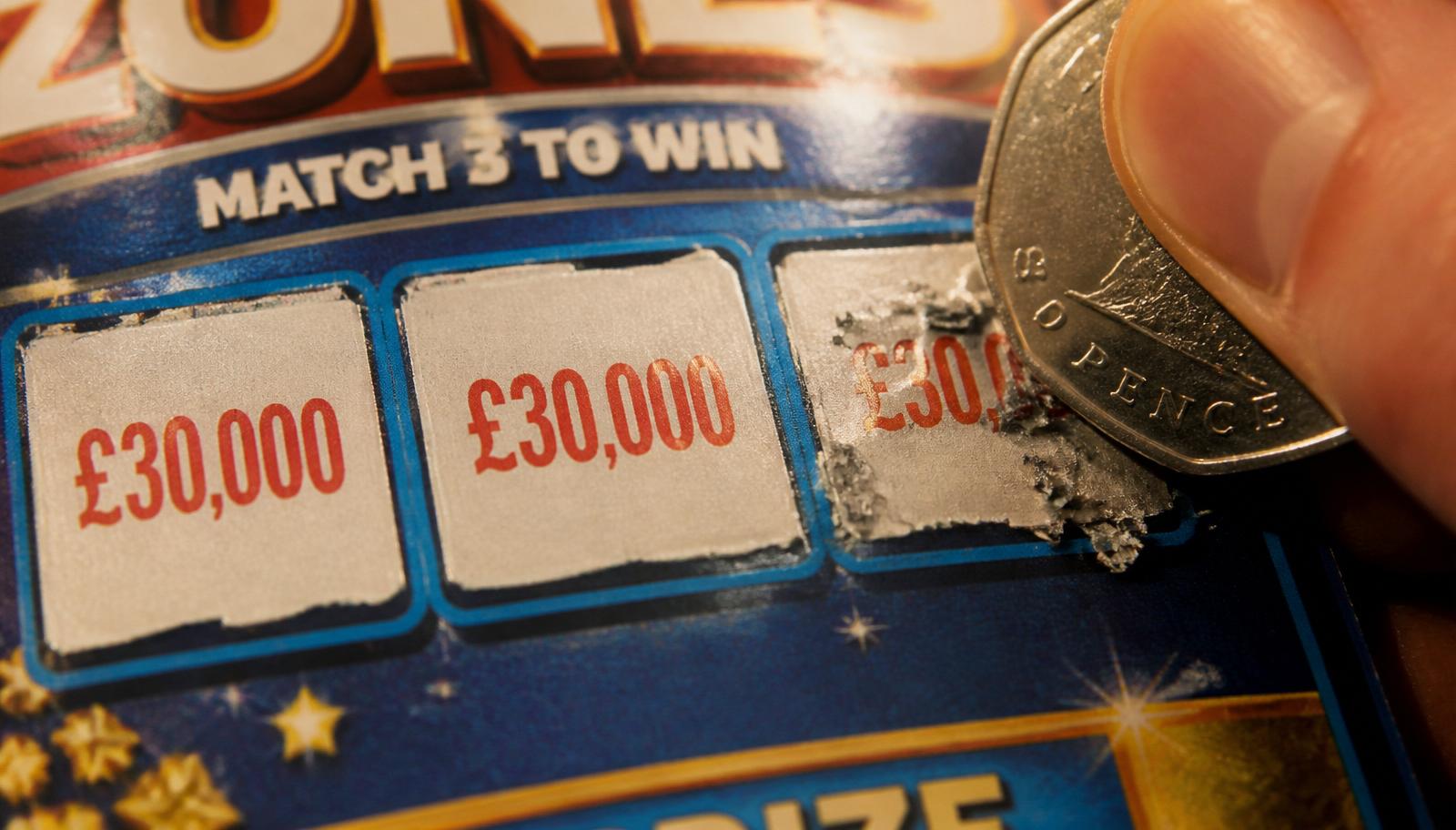
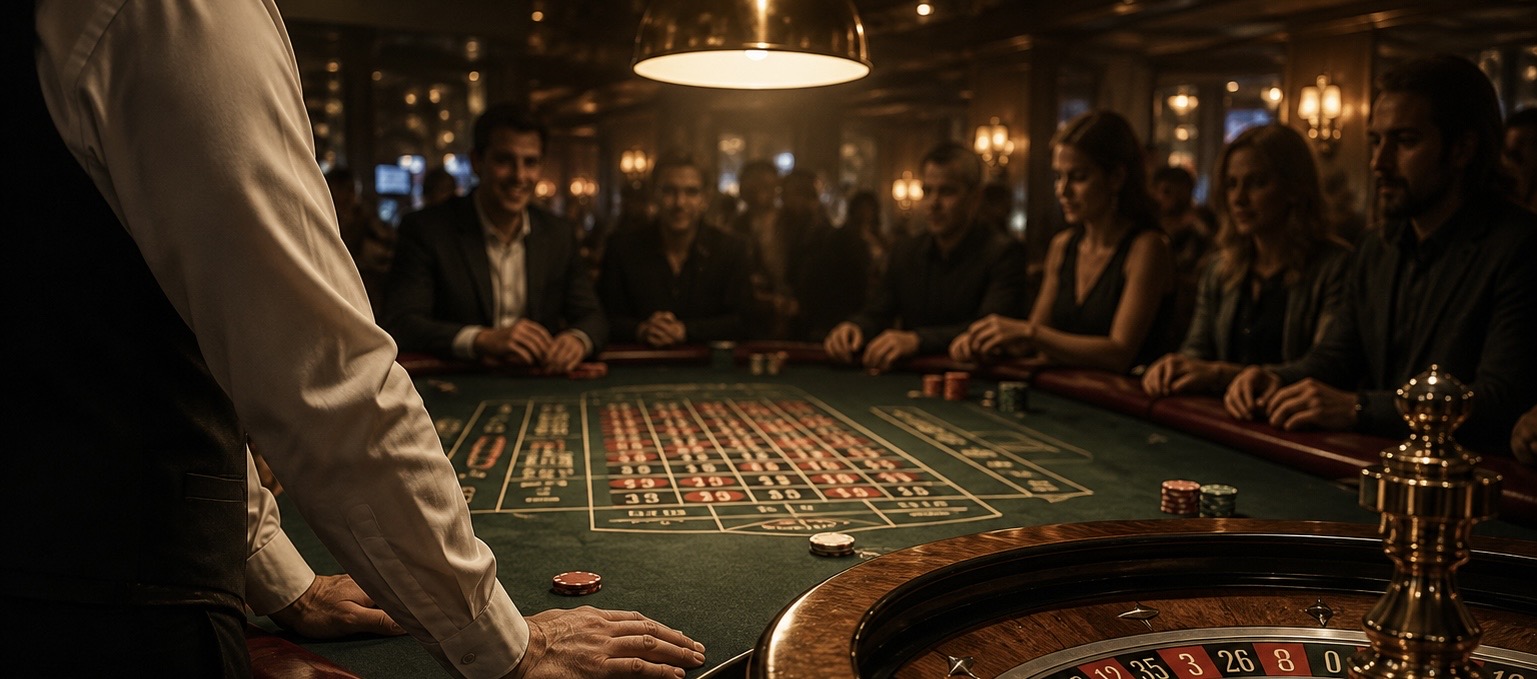
The same pattern extends far beyond slot machines. A roulette ball stopping one pocket from your number. A scratchcard revealing two of the three jackpot symbols. Different games. The same neurological response. The same feeling that you were almost there. And with it, a stronger urge to try again.
The view from behind the tables
“From behind the tables, you could see it happen in real time. A player would hit two matching symbols and watch the third reel slide past by a fraction. They hadn't won anything — the payout was zero — but their body language changed instantly. They sat up straighter, tapped the button again, sometimes even smiled. The machine had taken their money, yet it felt like encouragement. That was the moment you understood: the near miss wasn't a consolation. It was encouragement to continue.”
Final thought
Next time the reels stop one symbol short, will it feel like a near win? Or simply like what it mathematically is — another losing spin? Now that you know what a near miss does to the brain, will it still feel the same?
Share this page